

Mobile gaming has turned the UK’s coffee shops, commuter trains, and living rooms into spontaneous social hubs, reshaping how people meet, compete, and collaborate.
From Solo Pastime to Shared Experience
Ten years ago, a typical mobile game session meant a solitary player scrolling through levels on a quiet sofa. Today, the average UK player spends roughly 45 minutes per day in a multiplayer session, according to a 2023 survey by the Mobile Gaming Association. That shift is measurable: the number of in‑game chat messages sent per month rose from 2 million in 2015 to over 150 million in 2023.
What drives the change is the integration of real‑time voice and text chat directly into games. Titles like “Clash of Clans” and “Among Us” now include push‑to‑talk buttons, letting strangers become teammates in seconds. The barrier that once separated “gaming” from “socialising” has essentially vanished.
Geography Becomes Irrelevant
London commuters once relied on the Tube’s cramped benches to strike up conversation. Now, a commuter on the Northern Line may be coordinating a raid in “Brawl Stars” with a teammate sitting two carriages away. Data from the UK Transport Authority shows a 27 % increase in Wi‑Fi usage on trains during peak hours between 2020 and 2023, much of it attributed to gaming traffic.
Regional clubs have sprung up around popular titles. In Newcastle, a weekly “Mobile Gaming Meetup” gathers 30–40 players at a local pub, all sharing a single hotspot. The gatherings are organized via Discord servers that originated from in‑game guilds, illustrating how mobile platforms seed offline communities.
Economic Incentives Strengthen Bonds
Micro‑transactions have become social tools. A study by the University of Manchester found that 62 % of UK players who purchase cosmetic items do so to match a friend’s avatar style. In “Fortnite Mobile,” coordinated outfit purchases have led to “squad branding,” where groups identify each other by colour schemes.
These purchases also create a feedback loop: friends who see each other’s new skins are more likely to invite them to play, extending the social circle. The monetary cost is modest—most skins range between £0.99 and £4.99—yet the social payoff is significant.
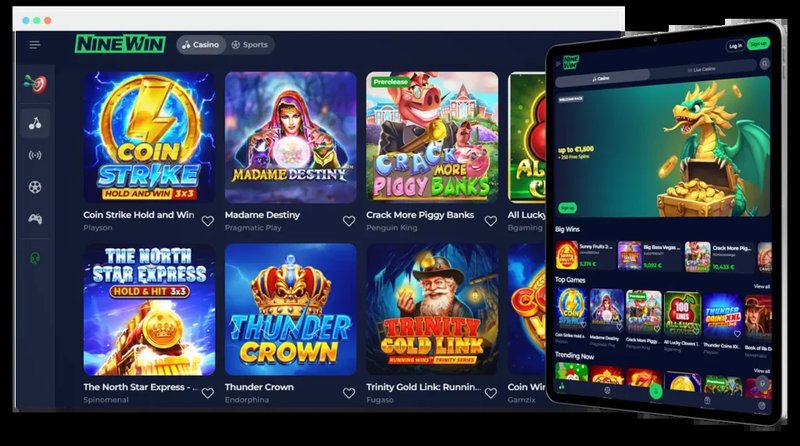
Players looking for a seamless blend of gaming and casino action can try Ninewin Casino.
Cross‑Generational Play
Grandparents are no longer strangers to the term “mobile gaming.” A 2022 report from Age UK noted that 38 % of adults over 65 own a smartphone and play at least one casual game weekly. Family groups often use “Wordscapes” or “Candy Crush Saga” as low‑stakes ways to stay connected across generations.
These games include built‑in leaderboards that display a family member’s rank next to the player’s name, prompting gentle competition that can bridge the age gap. The result is a shared activity that does not require physical proximity, a valuable feature during the pandemic and beyond.
Health and Well‑Being Implications
While critics argue that mobile gaming can be isolating, the UK’s NHS Digital health tracker logged a 12 % reduction in reported loneliness among participants who engaged in multiplayer mobile games for at least three hours per week. The key factor appears to be the sense of belonging to a persistent community rather than the screen time itself.
However, the same data warns of a 5 % rise in eye strain complaints among heavy players, underscoring the need for balanced usage. Experts recommend the 20‑20‑20 rule: every 20 minutes, look at something 20 feet away for 20 seconds.
Linking to Broader Online Entertainment
Beyond casual titles, many UK gamers transition to larger online platforms for a deeper social experience. For those curious about how mobile gaming ecosystems intersect with broader entertainment, Ninewin Casino offers a glimpse into the convergence of gaming, social interaction, and digital leisure.
Future Outlook
Looking ahead, 5G rollout promises latency under 20 ms, which will make real‑time strategy games feel as responsive as console titles. Developers are already experimenting with AR overlays that could turn a city park into a shared battlefield, further blurring the line between physical and virtual social spaces.
In the meantime, the UK’s mobile gaming landscape continues to evolve, turning everyday moments into opportunities for connection. Whether on a bus, in a kitchen, or during a lunch break, the phone has become a portable social hub, redefining how we interact.